Design Basics
When you’re working with a professional designer, some knowledge of design basics can make for a more collaborative—and ultimately satisfying—experience. Considering these points before you start can help you clearly convey what you’re looking for to your designer. Included here are some of the basic design premises and terms that may come up during your project.
Function and feeling
A few simple but critical questions can help clarify the “big picture” requirements for any space. These include:
- How is the space to be used?
- How many people does the space need to accommodate?
- What kind of feeling should the space evoke?
- Are there any elements of the existing decor that need to remain, or that you’d like to preserve?
Color
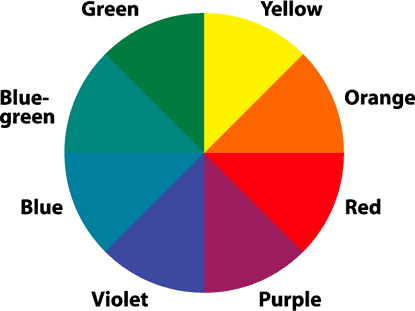
Color can reshape a room or lend an immediate emotional feel. Think about the immediate difference of walking into a room painted with the vibrancy of royal blue, compared with the intimacy of a deep burgundy, or the serenity of a sage green.
Combinations of color are also extremely important. Color schemes may be “monochromatic” or “tone on tone” (different shades of a single color), “analogous” (colors that are adjacent on the color wheel, such as orange and yellow), or “complementary” or “contrasting” (colors that are opposite to each other on the wheel, such as green and purple. Monochromatic/tone-on-tone and analogous color schemes are generally easier on the eyes, while complementary/contrasting color schemes create intensity and are great for creating stimulating environments.
Fabrics
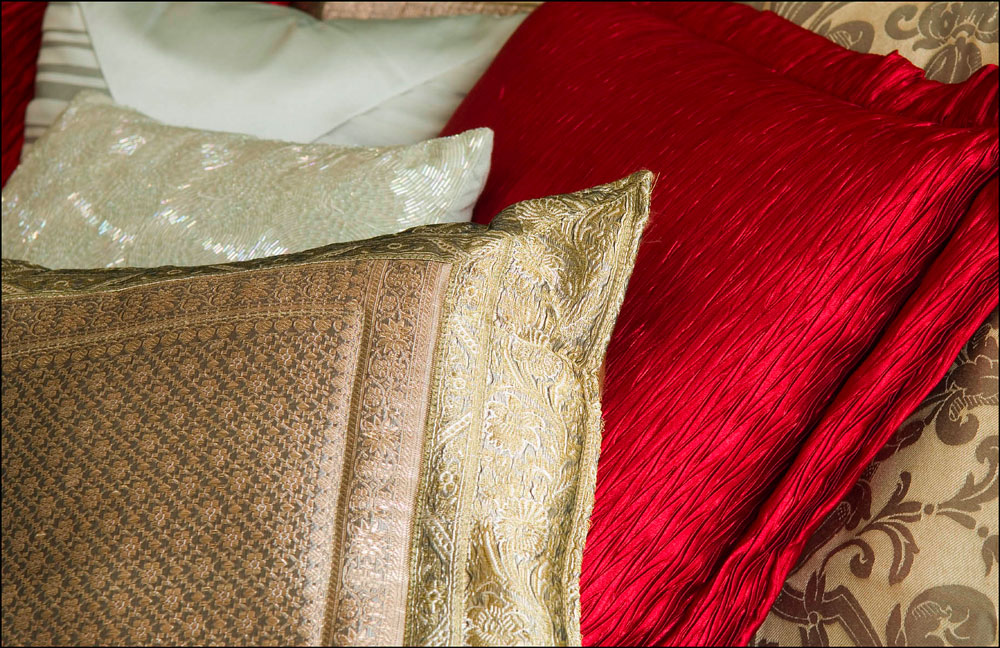
Fabrics are categorized by weight (sheer, light, medium, and heavy) and type of fiber (cotton, polyester, silk, etc). The way the fabric will be used is an important consideration in choosing an appropriate weight. For example, a medium or heavy weight might be more appropriate to withstand the wear and tear put on upholstery, while a lighter fabric may provide a sense of airiness for window treatments.
The texture of fabrics can also be important. Fabric textures range from smooth and shiny (as with satin) to nubby (as with boucle). Varying the texture of fabrics is a great way to add visual interest to a room.
Practical considerations like fading, wrinkle resistance, and stain resistance may also play into your decision.
Window treatments
There are many styles of window treatments available, and the right window treatment can add the perfect finishing touch to a look. In general, simple styles and fabric patterns suit contemporary decor better while more elaborate designs and fabrics complement a more traditional setting. Windows with architectural style or beautiful views are often left uncovered, if privacy is not an issue, to emphasize the dramatic effect.
Furniture
Home furnishing can be grouped into two categories: upholstered furniture (such as chairs and sofas) and case goods (including cabinetry, desks, tables, etc.).
Choosing the right pieces of furniture requires thinking about style, size, material, and quality. But the right piece of furniture also needs to be well placed. Furniture should be clear of the natural traffic flow in and out of the space. In addition, the pieces should not create visual blockage to make the space uninviting.
Lighting
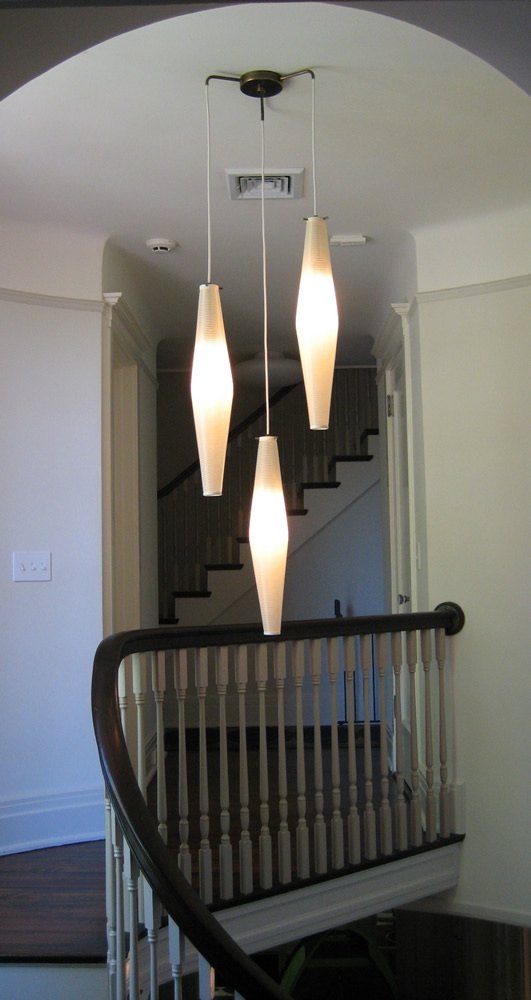
When it comes to lighting, function and color are key considerations. Functionally, lighting can be grouped into three general categories: Ambient lighting: Provides general background lighting for a room. Recess & track lights, cove lights, chandeliers, and wall scones are all good choices for this type of lighting
Task lighting: Used for particular activities, like reading and food preparation. Fixtures may include table lamps and pendants.
Accent lighting: Used to highlight accessories in the room. These fixtures are usually very small and can be installed inconspicuously.
The type of bulb used can affect how the colors of the room are seen. For example, incandescent (traditional) light bulbs cast a yellow glow, bringing warm colors like red and brown to life, but dulling cool colors like blue. The opposite is true for fluorescent bulbs, which cast a blue glow. Halogen bulbs closely approximate natural light, so most colors look true under them.
Flooring
Flooring options include wall-to-wall carpeting, area rugs, hardwood floors, stone, and tiles. These surfaces provide different advantages when it comes to comfort, noise dampening, ease of cleaning, cost, and of course, visual effect.
Accessories
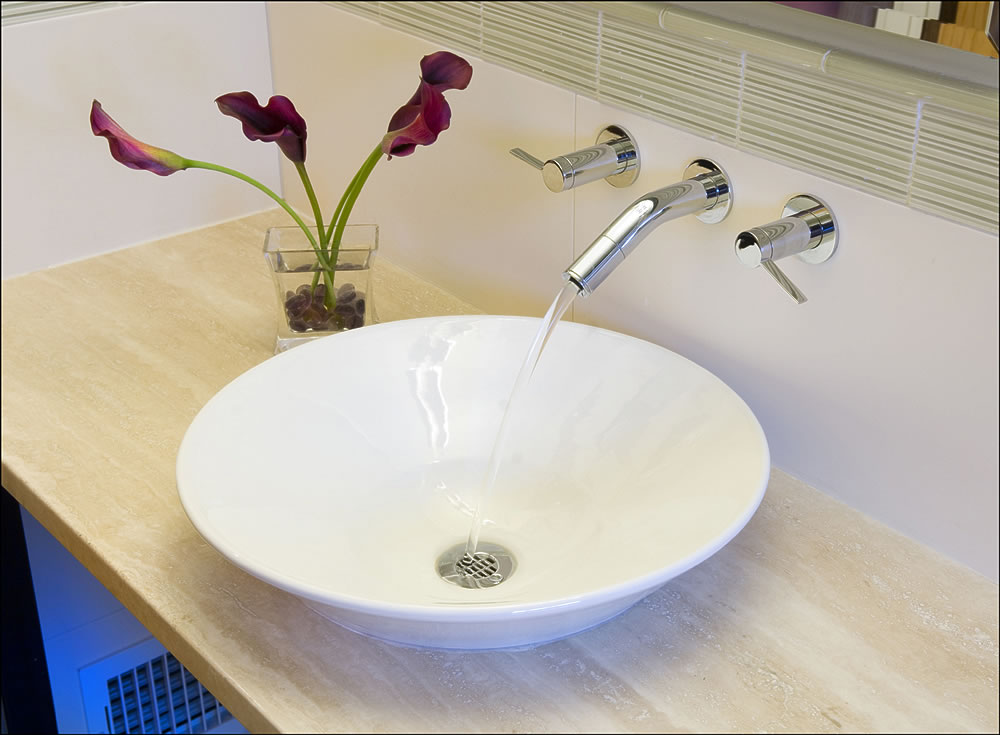
Accessories are usually the last—but not the least!—part of interior decorating projects. The right accessories can complete a space and give it a truly personal touch. Make sure your accessories have room to breathe, though—placing too many in a given area can make the space look cluttered and detract from the impact of each individual piece.